
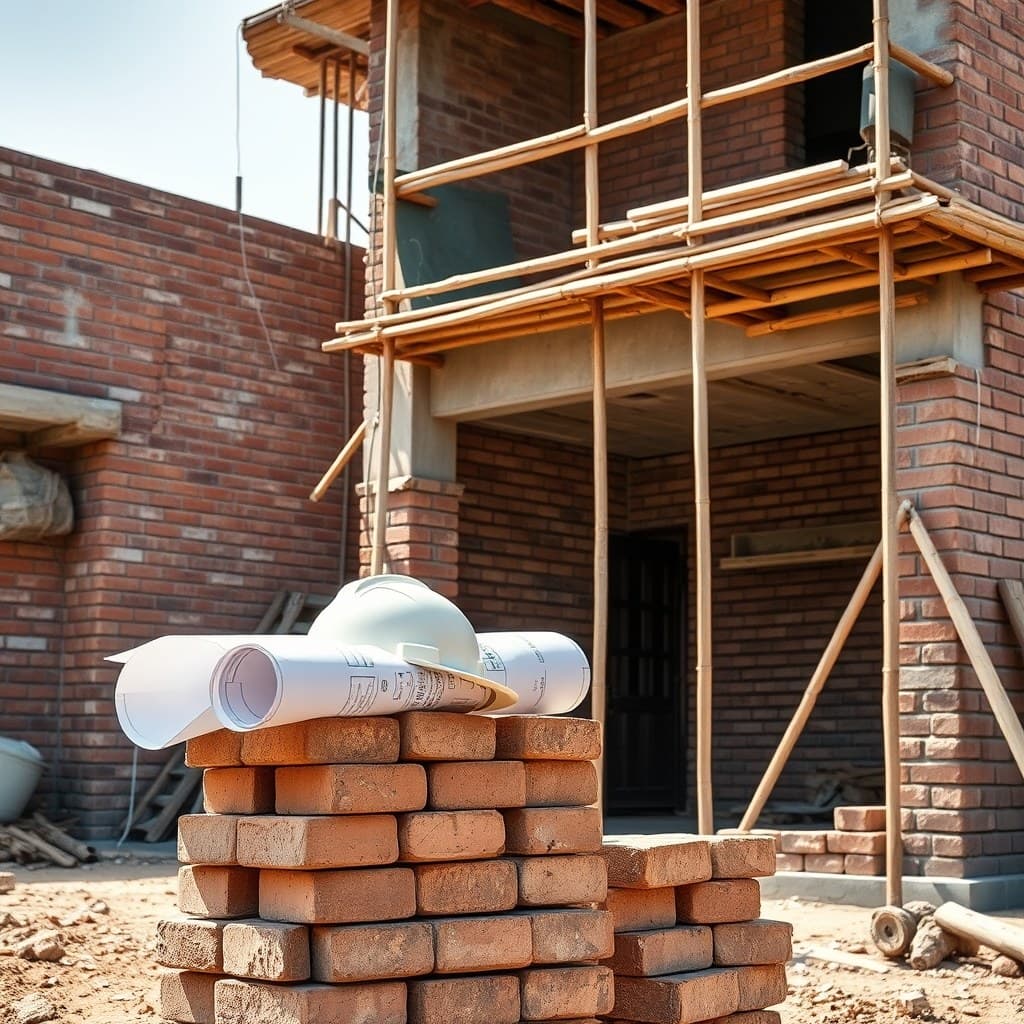
How to Supervise Construction Labour and Masons Without Micromanaging
Hiring a good contractor doesn't mean your own oversight becomes unnecessary — regular, purposeful site visits genuinely catch issues that a busy site supervisor juggling multiple responsibilities sometimes misses, without requiring you to become a full-time construction manager yourself.
What useful oversight actually looks like
- ✦Regular scheduled site visits, ideally at key stages (foundation, plinth, each floor's structural work, before walls are closed up) rather than only at the very end
- ✦Checking that the actual materials on site (brand, grade) match what was specified in your contract, not just trusting verbal assurance
- ✦Taking photos at each visit — useful both for your own record and for spotting anything that looks off compared to a previous visit
- ✦Asking specific questions rather than general ones — "what grade of steel is being used in this column" gets a more useful answer than "how's it going"
Where to focus your attention
Foundation and structural stages deserve the most attention, since these are the hardest and most expensive to fix later — once concrete is poured, verifying steel grade or reinforcement placement is no longer possible. Finishing-stage issues (paint quality, tile alignment) are comparatively easier to catch and correct even after the fact.
Working constructively with your contractor and masons
Frame your visits as collaborative oversight rather than adversarial inspection — a good contractor generally welcomes an engaged client who asks informed questions, since it also protects them from later disputes about what was actually done. Raise concerns directly and promptly rather than letting small issues accumulate into a larger dispute at handover.
When to bring in your own structural engineer for a check
For key structural milestones — before a foundation pour, or before a major slab is cast — having your own independent structural engineer do a brief on-site check (separate from your contractor's own team) adds a genuine layer of verification, particularly valuable if you don't have construction experience yourself.
Related on Tamil Nadu Villas
Further Reading
Frequently Asked Questions
How often should I visit the site during construction?+
This depends on your own availability and the project's stage, but visiting at each major milestone (foundation, each floor's structural completion, before walls close up, and finishing stages) is a reasonable minimum — more frequent visits during structural stages are worth the extra effort given how hard those are to correct later.
Is it reasonable to ask my contractor for material delivery receipts?+
Yes — asking to see delivery receipts or brand packaging for key materials (cement, steel) is a reasonable request that helps verify what's specified in your contract is actually what's being used, and most contractors won't object to a reasonable request like this.
Should I hire a separate construction supervisor if I can't visit often myself?+
If your own availability is limited, hiring an independent supervisor or engineer to do periodic checks on your behalf is a reasonable alternative to being unable to oversee the project yourself — this is a genuine service some structural engineers and consultants offer separately from the main contractor relationship.
More on Construction
Monsoon-Proofing Your New Home: A Waterproofing Checklist for Tamil Nadu
Where water damage actually starts in a new build, which waterproofing steps are genuinely non-optional in Tamil Nadu's climate, and the mistakes that cost the most to fix later.
Cement Grades Explained: OPC vs PPC vs PSC
What the different cement types actually mean for your construction, and which grade makes sense for which part of your build.